An HVAC line set is a crucial component of a heating, ventilation, and air conditioning system that homeowners should understand to maintain efficient operation and address potential issues effectively. Essentially, the line set consists of two copper pipes that connect the indoor air handler or evaporator coil to the outdoor condenser unit. These pipes carry refrigerant between the two units, enabling the system to remove heat from inside the home and release it outside during cooling, or reverse the process during heating in heat pump systems.
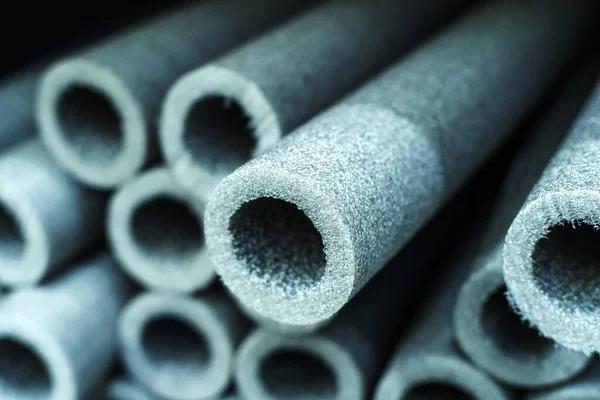
One pipe in the line set is larger, known as the suction or vapor line, which carries low-pressure refrigerant gas back to the outdoor unit. The smaller pipe is the liquid line, transporting high-pressure liquid refrigerant from the condenser to the indoor coil. Both pipes are insulated to prevent energy loss and condensation, which can lead to water damage or reduced system efficiency. Proper insulation is vital, especially on the suction line, because it carries cold refrigerant that can cause moisture to form if exposed to warm air.
Homeowners should be aware that line sets typically come pre-charged with refrigerant when purchased as part of a new HVAC system, but installers often need to adjust the refrigerant charge depending on the length of the piping and the specific system requirements. Incorrect refrigerant levels can reduce system efficiency, increase energy consumption, and cause premature equipment failure. If a homeowner suspects problems such as insufficient cooling or unusual noises from the HVAC system, a professional technician will often inspect the line set for leaks, damage, or improper installation.
Line set leaks can occur due to corrosion, physical damage, or poor connections, and they can lead to refrigerant loss, which diminishes the system’s performance and may harm the environment. Repairing or replacing a damaged line set can be costly, so preventative maintenance is important. Homeowners should ensure the outdoor unit is protected from debris, physical impacts, and extreme weather conditions that might damage the hvac line set sizes servicing can help detect issues early and maintain optimal system function.
In older homes, the line set material or size might not meet current standards, which can affect the performance of a new HVAC system if it is being retrofitted. Consulting with a qualified HVAC professional during installation or replacement is essential to verify that the line set matches the system specifications. Understanding the role and maintenance needs of an HVAC line set helps homeowners ensure their heating and cooling systems operate efficiently, saving energy and extending equipment lifespan.