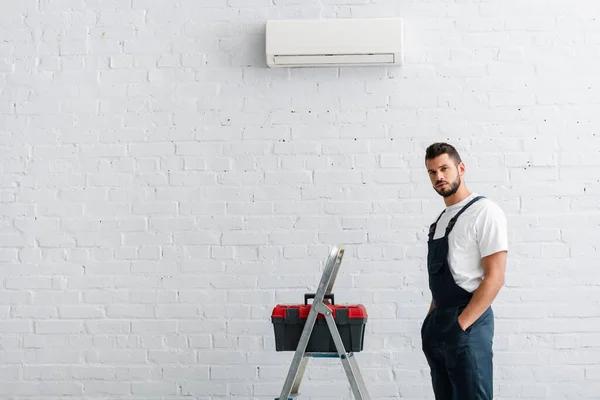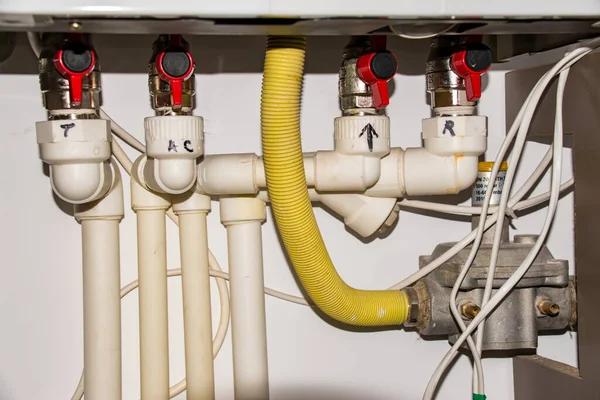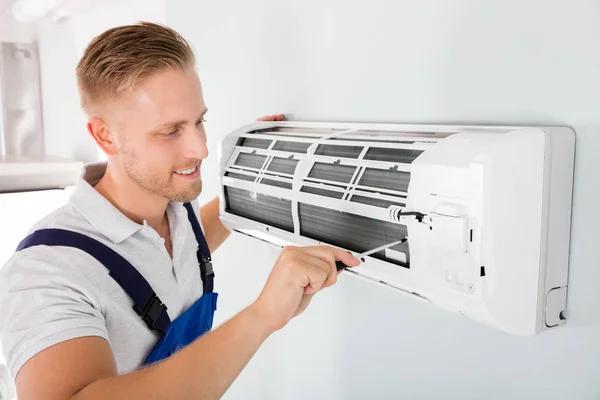
Older homes often present unique challenges when it comes to heating, ventilation, and air conditioning (HVAC) systems. These houses were typically built before modern HVAC standards and may have outdated or inefficient systems that struggle to maintain comfortable indoor temperatures. Improving the HVAC setup in an older home can significantly enhance comfort, energy efficiency, and indoor air quality. The first step in upgrading an HVAC system in an older home is conducting a thorough inspection. This assessment should include checking ductwork, insulation, the condition of existing heating and cooling units, and any ventilation issues. Older duct systems may have leaks, poor insulation, or inadequate design, all of which reduce efficiency and increase energy costs. Sealing ducts and adding insulation can prevent air loss and improve system performance. Another important consideration is the replacement or upgrade of outdated HVAC equipment. Many older homes rely on systems that are decades old, which not only consume more energy but also may not comply with current safety standards. Modern HVAC units are designed to be more energy-efficient and environmentally friendly, often qualifying for rebates or tax incentives. Installing a new furnace, air conditioner, or heat pump can drastically improve both the comfort and the cost-effectiveness see our work of heating and cooling your home. Ventilation is a critical aspect often overlooked in older homes. These houses tend to have poor airflow, which can lead to moisture buildup, mold growth, and stale indoor air. Installing or upgrading ventilation systems such as exhaust fans in kitchens and bathrooms or adding whole-house ventilation can help maintain healthy indoor air quality. Additionally, incorporating programmable or smart thermostats allows homeowners to better control indoor temperatures and reduce energy consumption. Another useful strategy is zoning, which involves dividing the home into different areas that can be heated or cooled independently. This approach is particularly beneficial in older homes where some rooms may not be used frequently or have different heating and cooling needs. Zoning can be implemented through multiple thermostats or dampers in the ductwork, helping to allocate HVAC resources more efficiently. Finally, improving insulation throughout the home complements HVAC upgrades by reducing heat loss during winter and heat gain during summer, making the system’s job easier. Attic insulation, sealing gaps around windows and doors, and upgrading windows can all contribute to enhanced energy efficiency. Overall, addressing HVAC issues in older homes requires a combination of evaluation, equipment upgrades, ventilation improvements, and insulation enhancements. These steps ensure that the home remains comfortable year-round while keeping energy costs manageable. Consulting with a professional HVAC technician who understands the specific needs of older homes is essential to develop a tailored plan that maximizes the benefits of any improvements.
Home Improvement HVAC Service Ideas for Older Homes