
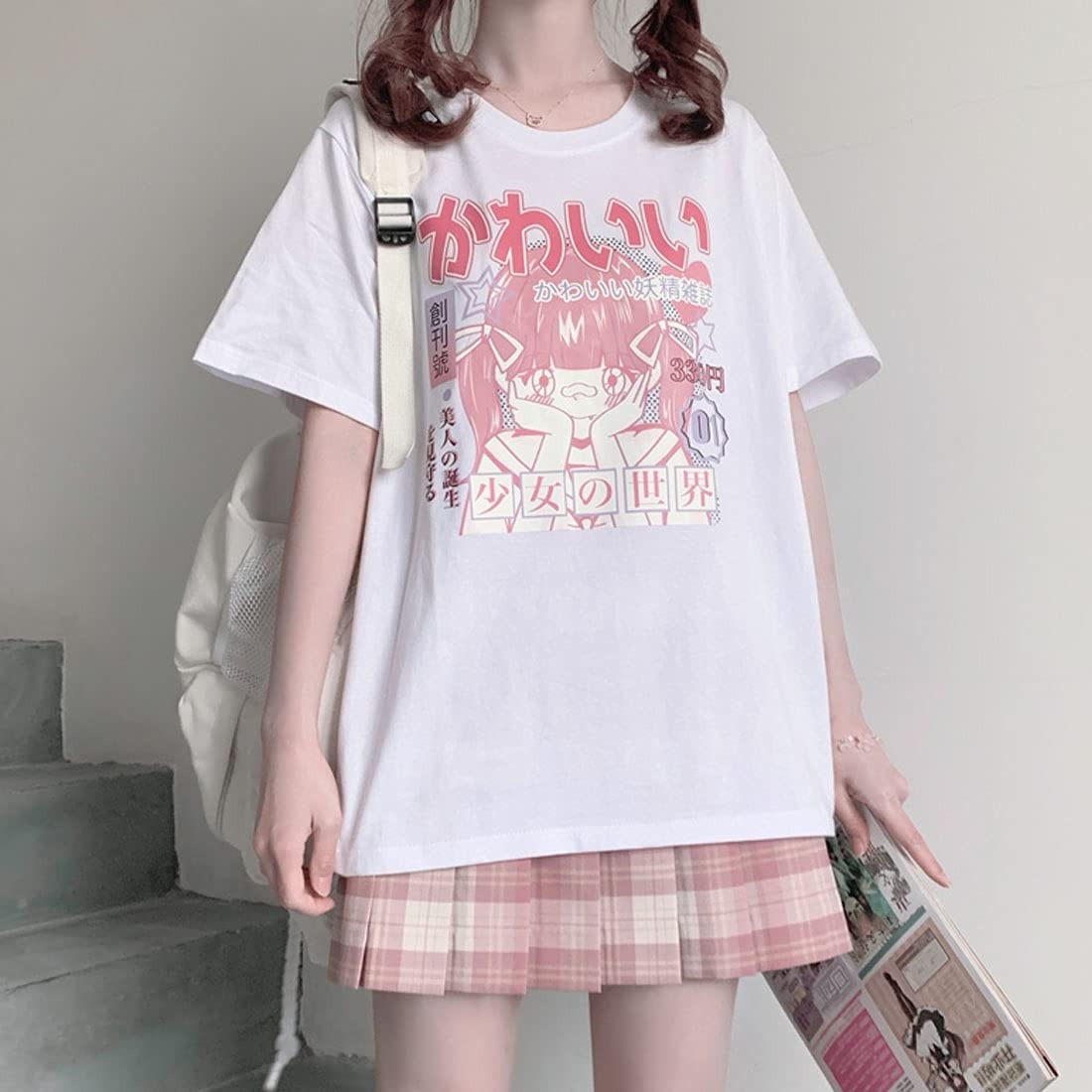
In recent years, the influence of kawaii culture has transcended its origins in Japan to become a notable element within global fashion trends. Kawaii, which translates to “cute” or “adorable,” embodies a playful and youthful aesthetic characterized by pastel colors, whimsical patterns, and charming motifs such as animals, cartoon characters, and exaggerated accessories. This distinctive style has found a unique place in modern fashion by blending nostalgia with contemporary sensibilities, appealing to diverse audiences beyond its initial niche.
Kawaii clothing fits into modern fashion trends through its emphasis on individuality and self-expression. In an era where consumers seek authenticity and personal identity through what they wear, kawaii offers a joyful alternative to more minimalist or utilitarian styles. The vibrant colors and imaginative designs encourage wearers to embrace their inner child while making bold statements about creativity and fun. This aspect resonates strongly with younger generations who prioritize uniqueness over conformity.
Moreover, the rise of social media platforms like Instagram and TikTok has played a crucial role in popularizing kawaii aesthetics worldwide. Influencers showcasing kawaii-inspired outfits have introduced this style to broader audiences eager for fresh content that breaks away from traditional fashion norms. These digital communities foster inclusivity by celebrating diverse interpretations of cuteness-from subtle pastel accents incorporated into everyday wear to full-on character-themed ensembles-making kawaii accessible rather than exclusive.
Another way kawaii clothes integrate into modern fashion is through collaborations between mainstream brands and Japanese designers or pop culture icons associated with the trend. High-profile partnerships bring elements of kawaii into luxury markets or streetwear collections, thereby legitimizing it as part of high fashion dialogues. Such collaborations often result in limited-edition pieces that combine craftsmanship with playful design elements like oversized bows or embroidered patches featuring beloved characters.
Sustainability also intersects interestingly with kawaii fashion’s growth. Many enthusiasts favor handmade or small-batch items that emphasize quality over mass production-a value increasingly important among environmentally conscious consumers today. Additionally, upcycling vintage garments by adding cute embellishments aligns perfectly with both ecological awareness and the DIY spirit intrinsic to many kawaii communities.
Ultimately, kawaii clothes fit seamlessly into modern fashion trends because they offer more than just visual appeal; they represent an attitude centered on positivity, creativity, and cultural exchange. As global interest continues expanding beyond Japan’s borders, this charming style will likely evolve further while maintaining its core essence-bringing smiles through sartorial expression across generations worldwide.